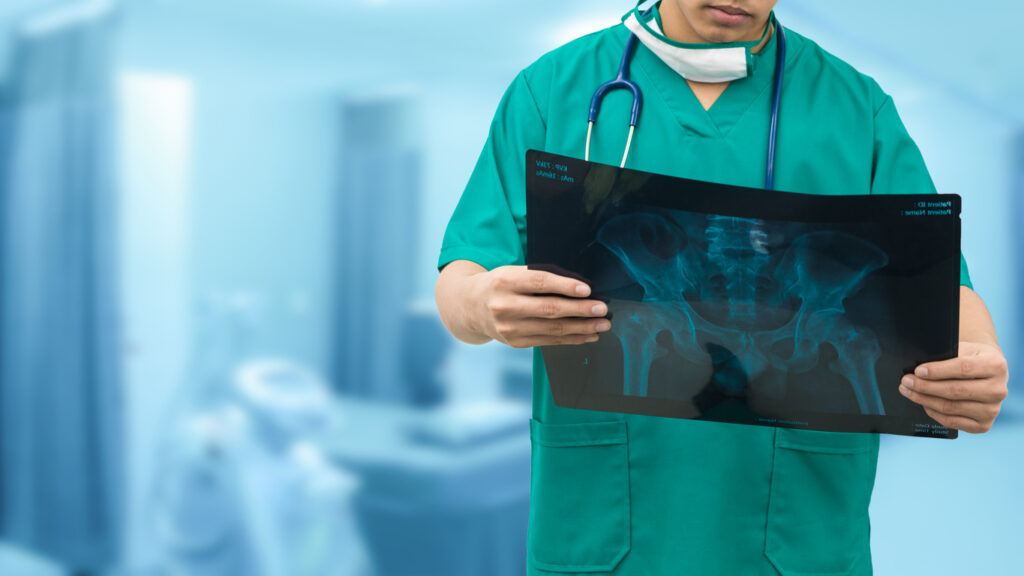
Understanding the Source: A Deep Dive into Stem Cell Leukemia
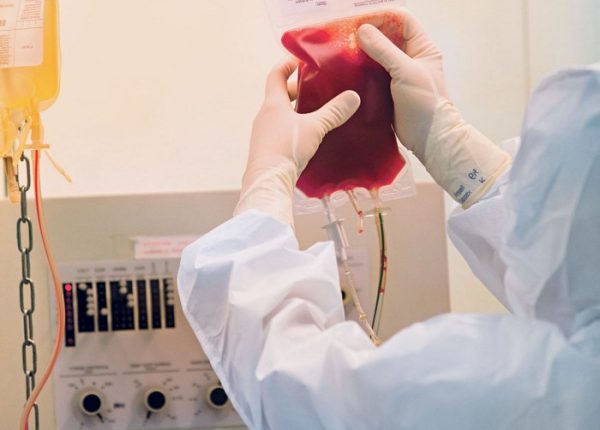
The human body is a marvel of biological engineering, and nowhere is this more evident than in our bone marrow—the spongy tissue inside our bones. This is the factory of our blood, where hematopoietic stem cells (the body’s raw materials) divide to form new blood cells. However, when this complex manufacturing process is disrupted by genetic mutations, it can lead to one of the most complex forms of cancer: Leukemia.
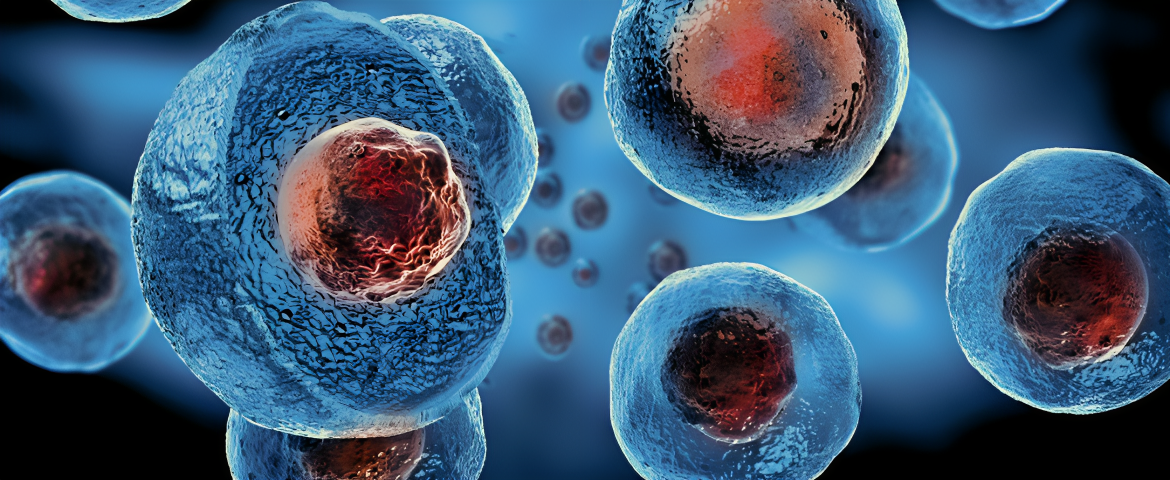
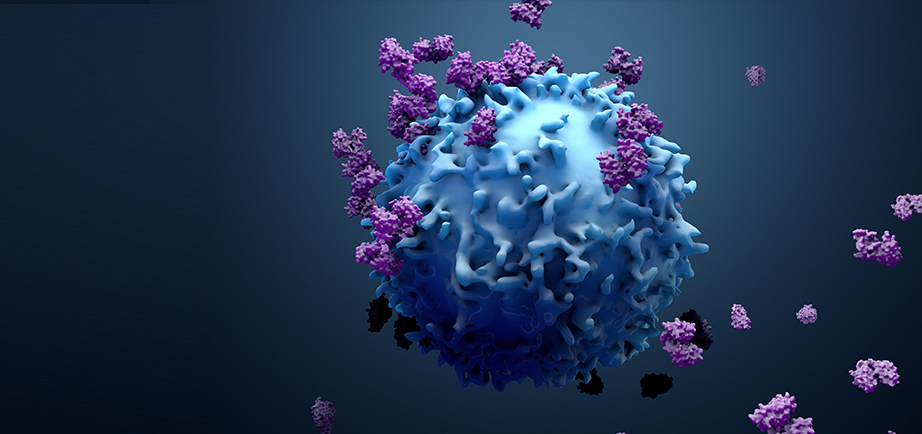
To understand leukemia, one must understand the stem cell. In a healthy body, stem cells mature into red blood cells (which carry oxygen), white blood cells (which fight infection), and platelets (which help blood clot). In leukemia, this maturation process halts or goes haywire. Instead of becoming functional adults, these cells remain as immature, abnormal cells known as “blasts.” These leukemic cells multiply uncontrollably, crowding out healthy blood cells and impairing the body’s ability to function.
The Biology of the Disease
Leukemia is fundamentally a cancer of the blood-forming tissues. While we often categorize it by how fast it progresses (acute vs. chronic) and the type of cell involved (myeloid vs. lymphocytic), the root cause almost always leads back to the behavior of the stem cells in the bone marrow.
- Acute Leukemia: The stem cells mutate early in their development. The resulting cells are useless and multiply rapidly, requiring immediate and aggressive treatment.
- Chronic Leukemia: The mutation happens later in the cell maturation process. These cells may function partly, but they survive longer than normal cells and build up over time, often going unnoticed for years.
Treatment Frontiers: The Role of Stem Cell Transplantation
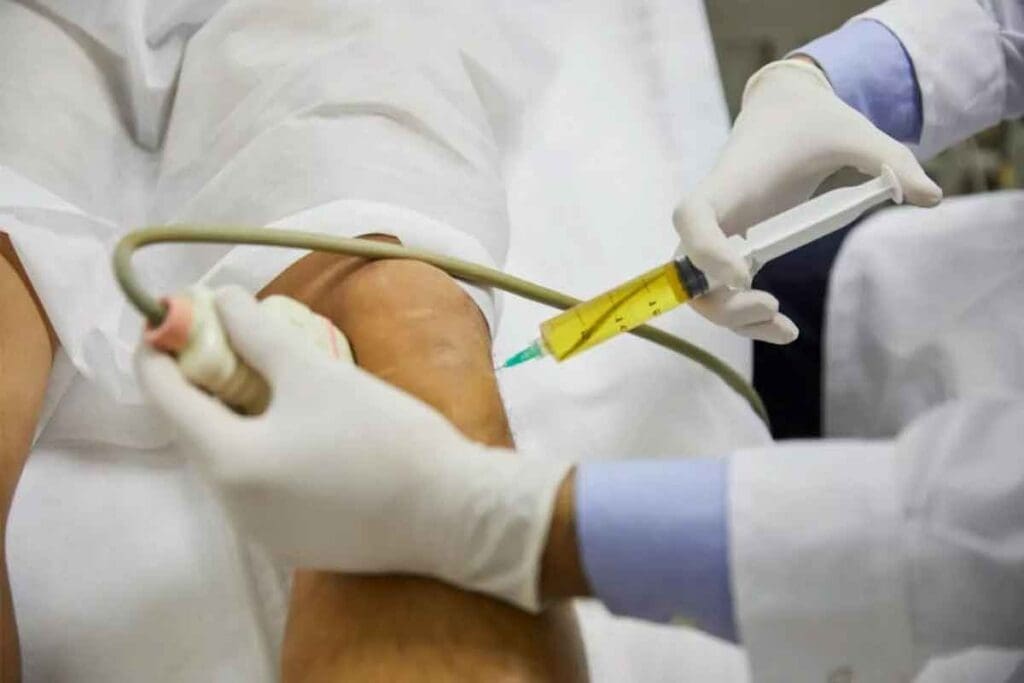
Because leukemia originates in the marrow, standard treatments like chemotherapy and radiation are designed to destroy these rapidly dividing cells. However, high doses of these treatments can also destroy the healthy bone marrow necessary for life. This is where the concept of a stem cell transplant (formerly known as a bone marrow transplant) becomes a critical, life-saving intervention.
In modern oncology, particularly at advanced centers like Liv Hospital, the goal is often to replace the diseased marrow with healthy stem cells. This can be done via:
- Autologous Transplant: Using the patient’s own healthy stem cells, harvested before high-dose chemotherapy.
- Allogeneic Transplant: Using stem cells from a genetically matched donor (often a sibling or unrelated volunteer).
This procedure effectively reboots the immune system, allowing the body to produce new, cancer-free blood cells.
A Comprehensive Approach to Care
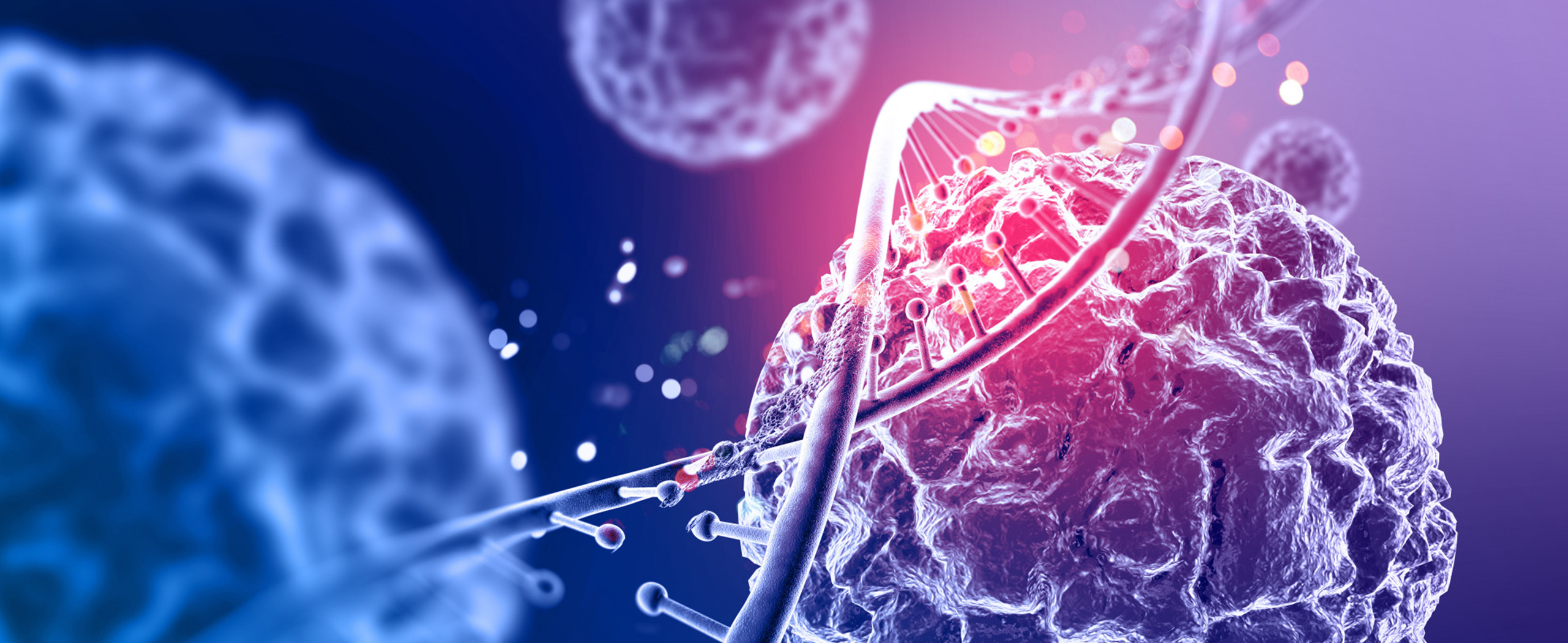
Navigating a leukemia diagnosis requires a clear roadmap. Patients and families need to understand not just the “what” but the “how” of the disease’s progression and treatment options. This includes understanding the specific genetic markers of the leukemia, the risk stratification, and the personalized medicine approaches now available.
For those seeking technical depth and specific medical categorization, it is helpful to look at the Stem Cell leukemia Overview and Definition. This resource breaks down the specific interactions between leukemic stem cells and the therapeutic strategies designed to target them, providing a foundational understanding for patients preparing for treatment.
recognizing the Symptoms
Early detection remains a powerful tool. Because leukemia cells crowd out healthy blood cells, the symptoms often relate to what the blood can’t do:
- Fatigue and Weakness: Due to a lack of red blood cells (anemia).
- Frequent Infections: Due to a lack of functional white blood cells.
- Bruising or Bleeding: Due to low platelet counts.
- Bone Pain: caused by the expansion of marrow due to overcrowding cells.
The Path Forward: Treatment and Recovery
The journey through leukemia treatment is arduous, often involving cycles of induction, consolidation, and maintenance therapy. However, survival rates have improved dramatically over the last few decades thanks to advances in targeted therapies and more precise stem cell matching technologies.
Recovery is not just physical; it is a holistic process that involves rebuilding the body’s strength and the mind’s resilience. Post-treatment care focuses on monitoring for recurrence, managing potential side effects of treatment, and slowly reintegrating into daily life.