
The Road to Resilience: Recovery and Follow-up After Leukemia Treatment
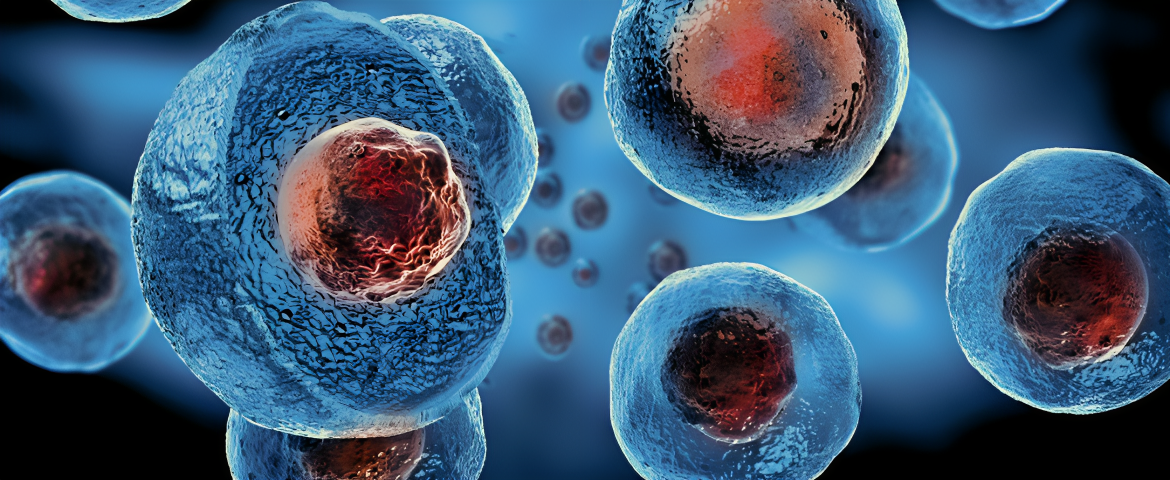
For patients battling lymphocytic leukemia, a stem cell transplant is often viewed as the “finish line” of active treatment. However, in reality, it marks the beginning of a new and equally important chapter: recovery. The period following a transplant is a time of profound physical healing and biological recalibration.
The journey from the hospital bed back to daily life is gradual. Understanding the milestones and necessary precautions of Stem Cell Lymphocytic Leukemia Recovery and Follow-up is essential for patients and caregivers to navigate this phase safely and effectively.
Phase 1: The Critical First 100 Days
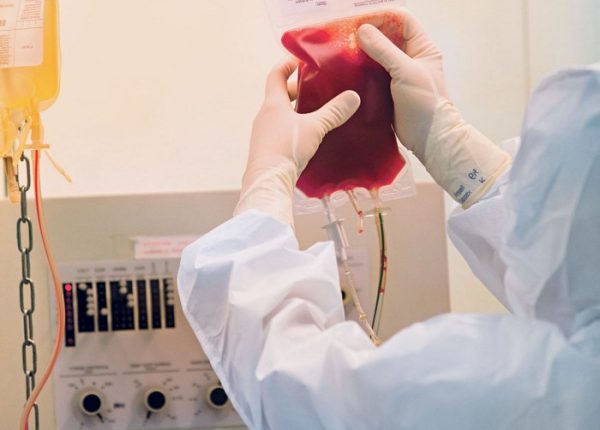
In the world of transplant medicine, the first 100 days are considered the most critical. Immediately following the infusion of stem cells, the patient remains in the hospital for several weeks. During this time, the medical team waits for “engraftment”—the moment the new stem cells start producing white blood cells.
Until this happens, the patient has virtually no immune system. Recovery in this phase is about protection. Patients are kept in specialized isolation rooms with filtered air to prevent fungal or bacterial infections. The medical focus is intense:
- Monitoring Blood Counts: Daily checks to ensure red cells, platelets, and white cells are rising.
- Managing Side Effects: Treating mucositis (mouth sores), nausea, or fatigue caused by the conditioning chemotherapy.
- Graft-Versus-Host Disease (GVHD) Watch: Doctors closely monitor for signs that the donor cells are attacking the patient’s healthy tissues, a common risk in allogeneic transplants.
Phase 2: Transitioning Home
Discharge from the hospital is a joyful milestone, but it does not signal a return to “normal” immediately. The immune system is often compared to that of a newborn baby—it is present, but inexperienced and weak.
During the first few months at home, strict precautions are necessary. Patients must avoid crowds, wear masks in public, and follow a specific “low-microbial” diet to avoid foodborne illnesses. Fatigue is common, and physical stamina must be rebuilt slowly. Regular outpatient visits are mandatory during this phase to adjust immunosuppressive medications and ensure the new marrow continues to function correctly.
Long-Term Follow-up and Surveillance
Recovery from lymphocytic leukemia is a marathon, not a sprint. Even after the first year, long-term follow-up is vital. The goal of this extended care is twofold: maintaining remission and managing the late effects of treatment.
Survivorship care includes:
- Relapse Monitoring: Regular blood tests and occasional bone marrow biopsies to ensure no leukemia cells have returned.
- Late Effects Management: Chemotherapy and radiation can impact other organs over time, such as the heart, lungs, or thyroid. Routine screenings help detect and manage these issues early.
- Vaccination Schedule: Since the transplant wipes out previous immunity, patients must be re-vaccinated against common childhood diseases once their immune system is strong enough.
A Partnership for Life at Liv Hospital
At Liv Hospital, we understand that the transplant is just one part of the cure. Our commitment to our patients extends far beyond the procedure itself. Our dedicated survivorship programs provide a safety net for patients as they reintegrate into their lives. From dedicated coordinators who manage complex follow-up schedules to specialists in GVHD management, we ensure that every patient has the medical support they need to navigate the complexities of long-term recovery with confidence.