Advancements in Orthopedic Care
The human musculoskeletal system is an intricate framework composed of bones, joints, ligaments, tendons, and muscles. This complex structure provides the body with support, stability, and the ability to move freely. When injuries, degenerative diseases, or congenital anomalies compromise this system, individuals often face significant pain and reduced mobility. Specialized medical intervention becomes essential to accurately diagnose, effectively treat, and proactively prevent a wide array of musculoskeletal disorders. Leading medical institutions, such as Liv Hospital, offer highly specialized care tailored to address these intricate physical challenges, ensuring patients regain their quality of life.
At the center of this medical specialty is the orthopedic surgeon, a physician dedicated to preserving and restoring the function of the skeletal system and its associated structures. While the discipline originally focused on treating children with spine and limb deformities, the field has expanded exponentially over the decades. Today, it encompasses patients of all ages and activity levels. From newborns born with clubfeet to young athletes requiring ligament reconstruction and older adults in need of total joint replacements, the scope of care is vast and continually evolving.
The Scope of Musculoskeletal Conditions
A significant portion of musculoskeletal medical care is devoted to managing degenerative conditions. Osteoarthritis, rheumatoid arthritis, and osteoporosis affect millions of people globally, progressively wearing down cartilage and weakening bone density. Physicians utilize a variety of strategies to manage these chronic conditions, aiming to alleviate pain, slow disease progression, and maintain joint function.
Additionally, specialists frequently treat acute injuries such as bone fractures, muscle strains, joint dislocations, and tendon ruptures. Back and neck pain, often resulting from herniated discs or spinal stenosis, also represent a major segment of the conditions requiring expert intervention. Whether the damage is the result of sudden trauma, repetitive strain, or the natural aging process, accurate identification of the root cause is paramount.
Diagnostic Precision and Medical Imaging
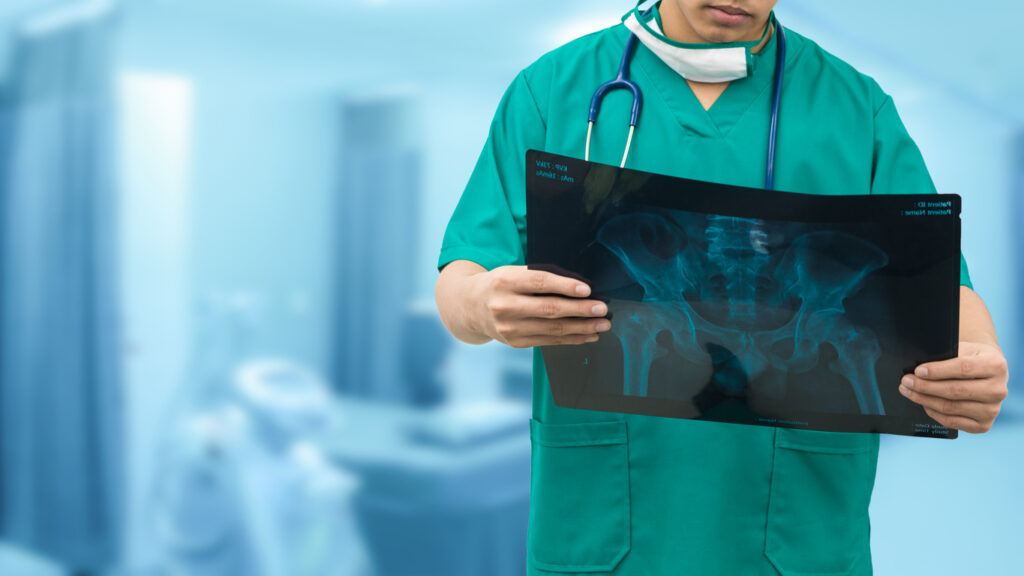
Accurate diagnosis forms the foundation of any successful treatment plan. Physicians rely on a combination of detailed medical histories, thorough physical examinations, and advanced diagnostic imaging. X-rays remain a primary tool for assessing bone fractures, joint alignment, and the severity of arthritis.
For soft tissue injuries involving ligaments, tendons, or cartilage, Magnetic Resonance Imaging (MRI) provides unparalleled detail. Computed Tomography (CT) scans offer three-dimensional cross-sections of bone structures, which are particularly useful for complex fractures or preoperative planning. In some cases, blood tests and joint fluid analysis are conducted to identify inflammatory or infectious conditions that might be impacting joint health.
Exploring Non-Surgical and Surgical Interventions
Treatment protocols typically begin with conservative, non-surgical approaches whenever feasible. Many musculoskeletal issues respond well to physical therapy, which strengthens surrounding muscles, improves flexibility, and enhances joint stability. Pharmacological interventions, including nonsteroidal anti-inflammatory drugs (NSAIDs) and targeted pain relievers, help manage symptoms. Furthermore, targeted injections, such as corticosteroids for rapid inflammation reduction or hyaluronic acid to lubricate osteoarthritic joints, offer significant relief for many individuals. Lifestyle modifications, including weight management and ergonomic adjustments, also play a vital role in conservative care.
When conservative measures fail to provide adequate relief, surgical intervention may become necessary. The surgical techniques employed in this field have seen remarkable advancements. Arthroscopy, a minimally invasive procedure, allows surgeons to visualize, diagnose, and treat joint problems using small incisions and specialized cameras. This technique reduces recovery time and minimizes healthy tissue damage.
For severe joint degeneration, total or partial joint replacement surgery (arthroplasty) for knees, hips, and shoulders can profoundly restore function and eliminate chronic pain. Other common surgical procedures include internal fixation for stabilizing broken bones with metal plates and screws, osteotomy for correcting bone deformities, and complex soft tissue repairs for torn ligaments and tendons.
Sub-Specialties and Rehabilitation
Sub-specialties within the field ensure that specific patient populations receive highly targeted care. Pediatric specialists focus on the unique challenges of growing bones, treating conditions like scoliosis, developmental dysplasia of the hip, and growth plate injuries. Sports medicine experts concentrate on injuries related to athletic activities, emphasizing rapid yet safe returns to physical exertion. Orthopedic oncologists handle benign and malignant tumors of the bone and soft tissues, requiring highly complex, multidisciplinary approaches.
Regardless of the specific condition or treatment pathway, rehabilitation remains an inseparable component of the healing process. Whether a patient undergoes a major joint replacement or recovers from a conservative treatment plan, structured rehabilitation programs dictate long-term success. Physical therapists work closely with surgeons to develop customized recovery timelines, ensuring individuals regain strength, range of motion, and functional independence safely.
The continuous pursuit of medical innovation promises even greater improvements in musculoskeletal care. The integration of robotic-assisted surgery enhances the precision of joint replacements, leading to better implant alignment and potentially longer-lasting results. Biologics, including platelet-rich plasma (PRP) and stem cell therapies, are being heavily researched for their potential to accelerate tissue healing and regenerate damaged cartilage. As technology and medical knowledge progress concurrently, the ability to restore mobility, eliminate pain, and elevate the standard of living for individuals with bone and joint disorders reaches unprecedented heights.