


A Detailed Look at Diagnosis and Treatment Options for Oncology
The human body is composed of trillions of cells, all functioning within a highly regulated system that dictates their growth, division, and eventual death. When this intricate regulatory system fails, cells begin to divide uncontrollably, leading to the formation of tumors and the development of cancer. This complex disease poses a profound health challenge globally, necessitating highly specialized medical interventions. Dedicated medical institutions, such as Liv Hospital, provide advanced, multidisciplinary oncology care aimed at eradicating malignant cells while preserving patient vitality.
The Biological Basis of Malignant Growth
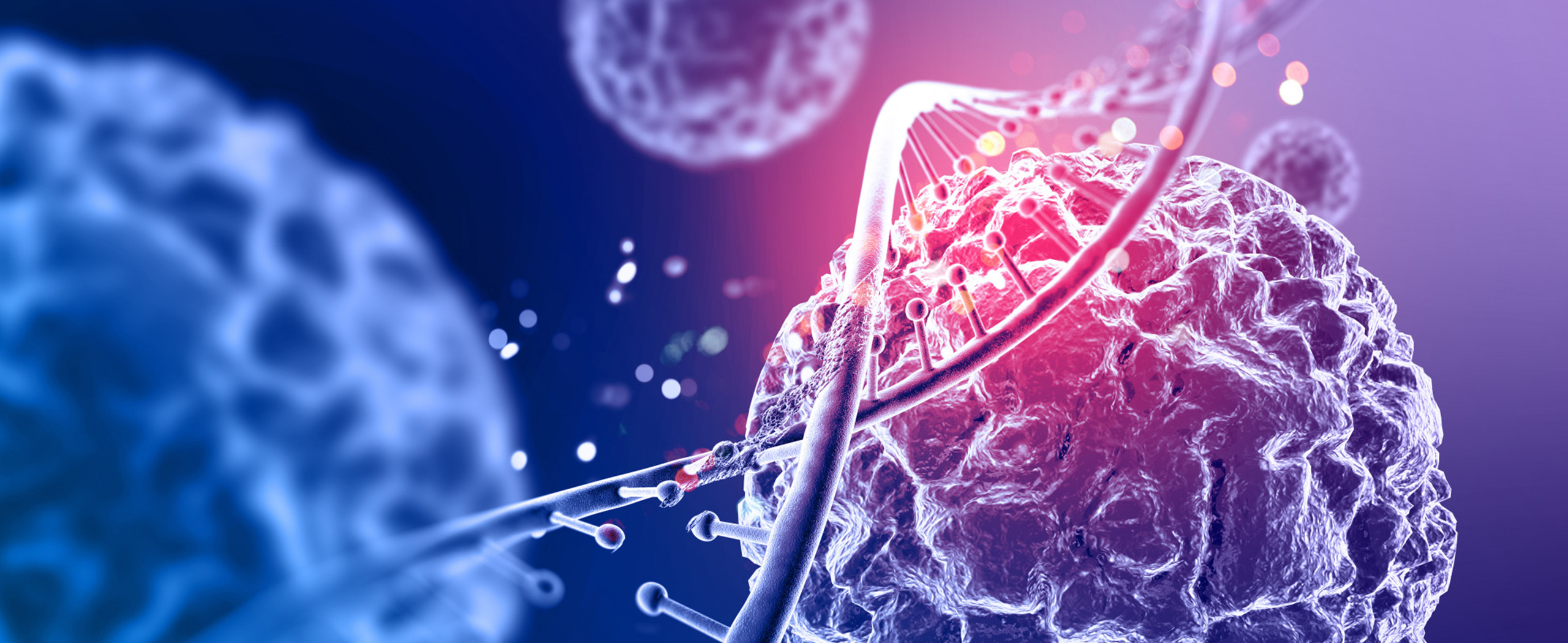
The transformation from a normal cell to a malignant one is driven by genetic mutations. These mutations disrupt normal cellular mechanisms, causing cells to multiply rapidly and evade the immune system’s natural surveillance. Over time, these rapidly dividing cells accumulate to form a localized mass or tumor. If left untreated, malignant cells possess the ability to invade surrounding healthy tissues. Furthermore, they can enter the bloodstream or lymphatic system, traveling to distant organs in a process known as metastasis. Metastatic spread significantly complicates the condition, demanding a more aggressive and systemic therapeutic approach to target the disease throughout the body.
Diagnostic Precision in Oncology
Accurate diagnosis forms the bedrock of an effective oncology treatment plan. Medical professionals rely on a combination of diagnostic techniques to detect tumors, determine their origin, and assess their extent. A thorough physical examination may reveal palpable masses or physical abnormalities. Laboratory tests, including blood and urine analyses, help identify specific markers or unusual blood cell counts that suggest the presence of malignancy.
Advanced imaging technologies provide non-invasive visualizations of internal structures. Modalities such as computed tomography (CT), magnetic resonance imaging (MRI), and positron emission tomography (PET) scans are critical for locating tumors and evaluating if the disease has spread to other regions. However, a definitive diagnosis almost always requires a biopsy. During a biopsy, a physician extracts a sample of the suspicious tissue, which is then analyzed under a microscope in a laboratory to confirm the presence of malignant cells and determine their specific type.
Core Treatment Modalities
Once a diagnosis is established and the disease is staged, oncologists formulate a tailored treatment strategy. This strategy often involves a combination of several primary interventions.
Surgical Excision
Surgery is frequently the first line of defense for solid, localized tumors. The objective is to physically remove the malignant mass along with a margin of healthy tissue to ensure all disease is eradicated. Highly specialized surgeons utilize advanced robotic-assisted systems and minimally invasive techniques. These sophisticated methods minimize blood loss, lower the risk of infection, and promote faster recovery times compared to traditional open surgeries.
Radiation Therapy
Radiation therapy employs high-energy particles or beams, such as X-rays and protons, to damage the DNA of malignant cells, thereby inhibiting their ability to multiply. External beam radiation is precisely targeted at the tumor from a machine outside the body. Advanced techniques like Stereotactic Body Radiotherapy (SBRT) deliver exceptionally high doses of radiation with sub-millimeter precision, acting almost like a virtual scalpel to destroy the mass without requiring an incision. Alternatively, brachytherapy involves placing radioactive material directly inside or adjacent to the tumor for localized treatment.
Systemic Interventions
When the disease requires a body-wide approach, systemic therapies are deployed. Chemotherapy utilizes powerful pharmacological agents that circulate through the bloodstream to destroy rapidly dividing cells. While highly effective, it can impact healthy fast-growing cells, leading to temporary side effects that are carefully managed by medical teams.
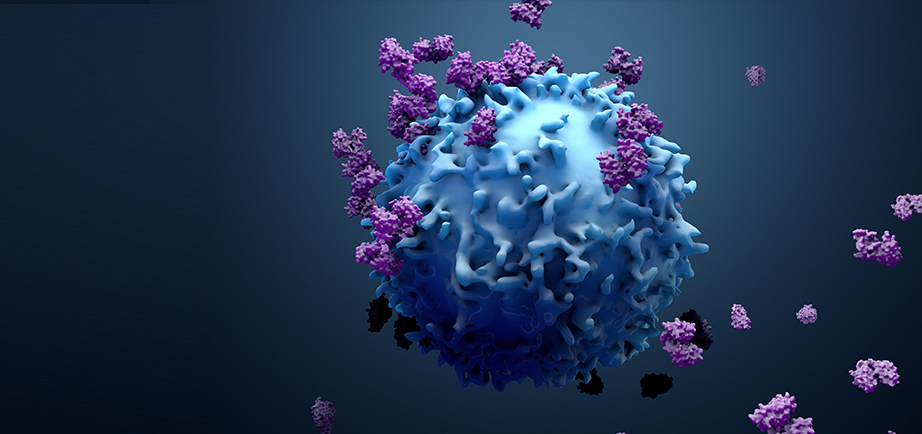
Immunotherapy has emerged as a revolutionary systemic option. Malignant cells are adept at disguising themselves to evade the body’s natural defenses. Immunotherapy drugs remove this disguise, empowering the patient’s own immune system to recognize and attack the malignancy. This biological approach has demonstrated remarkable success in treating various forms of the disease, including melanoma and lung malignancies.
The Shift Toward Precision Oncology
The medical field is rapidly moving away from a one-size-fits-all approach toward precision oncology. This innovative strategy utilizes detailed molecular profiling to identify specific biomarkers within the tumor’s DNA. By understanding the unique genetic makeup of a patient’s disease, oncologists can deploy targeted therapies. These specialized medications block the specific enzymes, proteins, or signaling pathways that fuel tumor growth, often leading to better outcomes and fewer side effects than traditional systemic treatments.
Supportive Care and Long-Term Wellness
Treating the disease is only one aspect of an effective oncology protocol; supporting the patient throughout the journey is equally vital. Palliative and supportive care teams work alongside oncologists to manage symptoms, alleviate pain, and reduce treatment-related side effects. Nutritional support, psychological counseling, and specialized physical therapy ensure that the patient’s overall well-being is maintained during the rigors of therapy.
The ongoing evolution of medical research continues to expand the arsenal of available therapies. With the integration of robotic surgical precision, highly targeted radiation techniques, and revolutionary biological treatments, the medical community is better equipped than ever to confront this disease. Through rigorous diagnostic processes and highly individualized treatment protocols, the singular focus remains on eradicating the illness, extending survival, and preserving the highest possible quality of life for every patient facing this diagnosis.


