A Journey Toward Renewal and Recovery
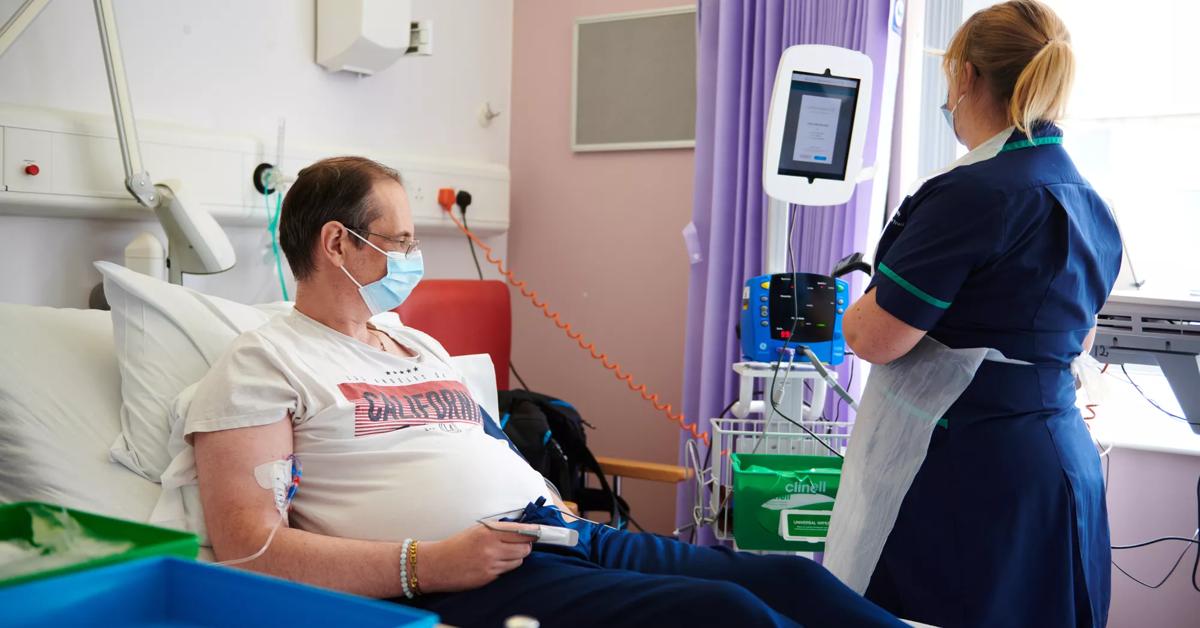
In the rapidly evolving landscape of modern medicine, few procedures offer as much hope and potential for life-saving treatment as the stem cell transplant. Often referred to as a bone marrow transplant, this complex procedure has revolutionized the way we treat severe blood disorders and certain types of cancer. Understanding the process can be the first step in a patient’s journey toward recovery.
What is a Stem Cell Transplant?
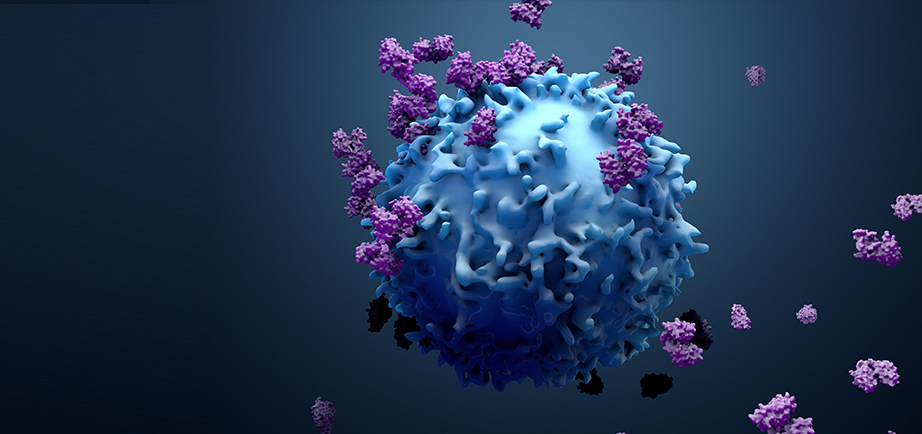
At its core, a Stem Cell Transplant is a procedure that replaces unhealthy blood-forming cells with healthy ones. Stem cells are special, early-stage cells found in the bone marrow (the soft, spongy tissue inside your bones) that have the unique ability to develop into different types of blood cells: red blood cells that carry oxygen, white blood cells that fight infection, and platelets that help blood clot.
For patients suffering from conditions where the bone marrow has been damaged or destroyed by disease, infection, or chemotherapy, a transplant provides a fresh start. It allows the body to resume the production of disease-free blood cells, effectively resetting the immune system.
Who Can Benefit from a Transplant?
Stem cell transplants are most commonly used to treat cancers affecting the blood and immune system, such as leukemia, lymphoma, and multiple myeloma. However, they are also critical in treating non-cancerous conditions like aplastic anemia, sickle cell disease, and certain immune deficiency disorders. The goal is to eliminate the underlying disease and restore the body’s ability to produce healthy cells independently.
Types of Transplants
There are two primary types of stem cell transplants, determined by the source of the healthy cells:
- Autologous Transplant: In this procedure, the patient’s own stem cells are collected and stored before they undergo high-dose chemotherapy or radiation. After the treatment is complete, the stored cells are infused back into the patient’s body to help the bone marrow recover. This is often used for conditions like multiple myeloma and lymphoma.
- Allogeneic Transplant: This involves using stem cells from a donor. The donor can be a related family member or an unrelated volunteer who is a genetic match. This type is common for treating leukemia, as the donor cells can produce an immune reaction that helps kill any remaining cancer cells a phenomenon known as the “graft-versus-tumor” effect.
The Procedure and Recovery
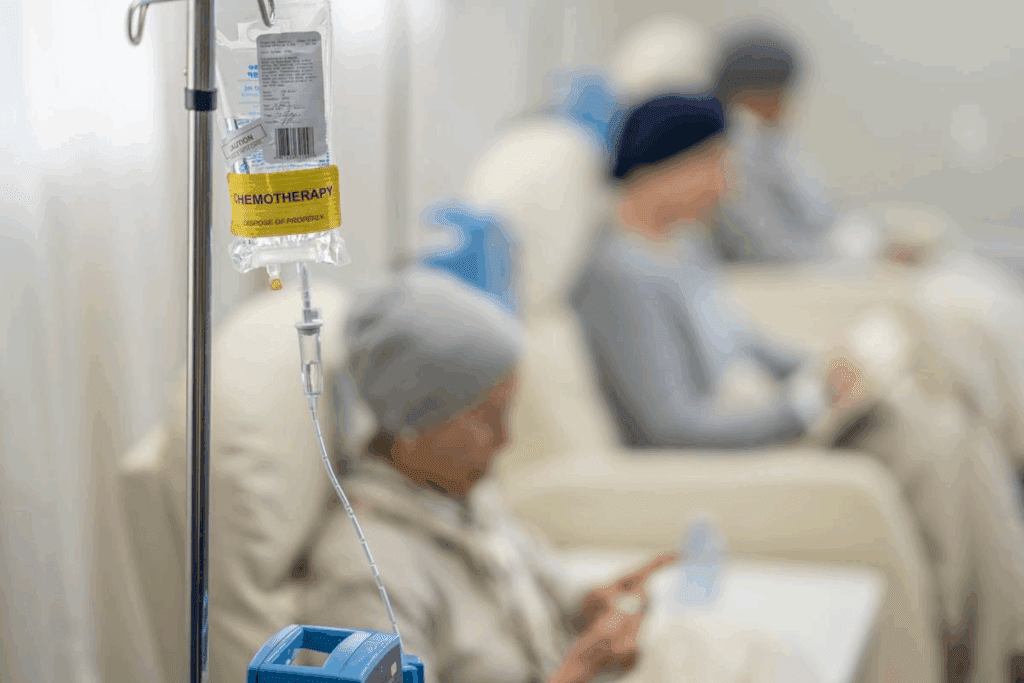
The journey begins with a “conditioning” phase, where patients receive chemotherapy or radiation therapy to destroy cancer cells and suppress the immune system to accept the new cells. Following this, the transplant itself occurs. It is not a surgery; rather, it is similar to a blood transfusion where the stem cells are infused into the bloodstream through a central line.
Once the cells are in the body, the “engraftment” phase begins. The new stem cells travel to the bone marrow and start producing new blood cells. This is a critical period requiring close medical supervision to manage the risk of infection and ensure the body accepts the new cells.
Expert Care at Liv Hospital
Undergoing a transplant is a significant medical event that requires a multidisciplinary team of experts. At Liv Hospital, we are dedicated to providing world-class care through our advanced Hematology and Bone Marrow Transplantation Center. Our facility is equipped with state-of-the-art HEPA-filtered rooms to ensure the highest level of infection control, which is vital for transplant patients. Our team of specialized hematologists, nurses, and support staff works tirelessly to tailor treatment plans to the unique genetic and medical needs of each patient, ensuring the best possible outcomes in a safe and supportive environment.
Holistic Wellness After Treatment
Recovery from a transplant extends beyond the hospital walls; it is a holistic process that involves rebuilding physical strength and mental resilience. Adopting a healthy lifestyle is crucial during the rehabilitation phase. Proper nutrition, gentle exercise, and mental well-being practices play a significant role in how well the body heals and adapts after the procedure. For more insights on maintaining a balanced lifestyle and nurturing your well-being during recovery, you can visit live and feel for expert tips and wellness inspiration.