Rebuilding from Within: A Guide to Stem Cell Leukemia Treatments and Procedures
Treating leukemia is often described as a journey, but in medical terms, it is more of a calculated strategic campaign. The goal is simple yet profound: to eradicate the malignant cells hijacking the blood and replace them with healthy, functional ones. While chemotherapy and targeted drugs are the heavy artillery used to clear the field, the stem cell transplant is the reconstruction effort—the procedure that rebuilds the body’s foundation.
At comprehensive care centers like Liv Hospital, this process is broken down into distinct, carefully managed phases. Understanding the mechanics of these procedures helps demystify the experience for patients and their families, transforming a frightening concept into a tangible, manageable plan.
Phase 1: The Conditioning Regimen
Before a transplant can occur, the “soil” must be prepared for the new “seeds.” This phase is known as conditioning. It typically begins a week or two before the actual transplant day.
Patients undergo high-dose chemotherapy and, in some cases, total body irradiation (TBI). This intensive regimen serves two critical purposes:
- Eradication: It destroys as many remaining leukemia cells as possible throughout the body.
- Suppression: It suppresses the patient’s immune system just enough to prevent it from rejecting the incoming donor cells (in allogeneic transplants).
Phase 2: The Transplant (Day Zero)
Contrary to popular belief, a stem cell transplant is not a surgical procedure. It does not involve incisions or operating rooms. It looks and feels remarkably similar to a standard blood transfusion.
On “Day Zero,” the harvested stem cells—whether from a donor or the patient’s own previously collected stock—are thawed (if frozen) and infused into the patient’s bloodstream through a central venous catheter. Once inside the body, these intelligent cells know exactly where to go. Through a biological homing mechanism, they migrate through the blood and settle into the empty spaces of the bone marrow, where they begin the work of rebuilding.
Phase 3: Engraftment and Recovery
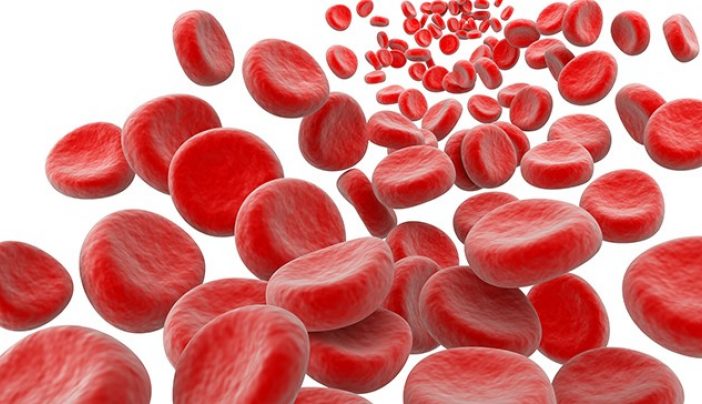
The days and weeks following the infusion are often the most critical. This period is known as the “engraftment” phase. During this time, the patient is waiting for the transplanted stem cells to “take”—to start dividing and producing new white blood cells, red blood cells, and platelets.
Because the patient’s immune system was wiped out during conditioning, they are highly vulnerable to infection during this window. Patients typically stay in specialized, HEPA-filtered isolation rooms to protect them from bacteria, viruses, and fungi. Medical teams monitor blood counts daily, looking for the first signs of rising white blood cell levels, which signal that the engraftment is successful.
The Graft-Versus-Leukemia (GvL) Effect
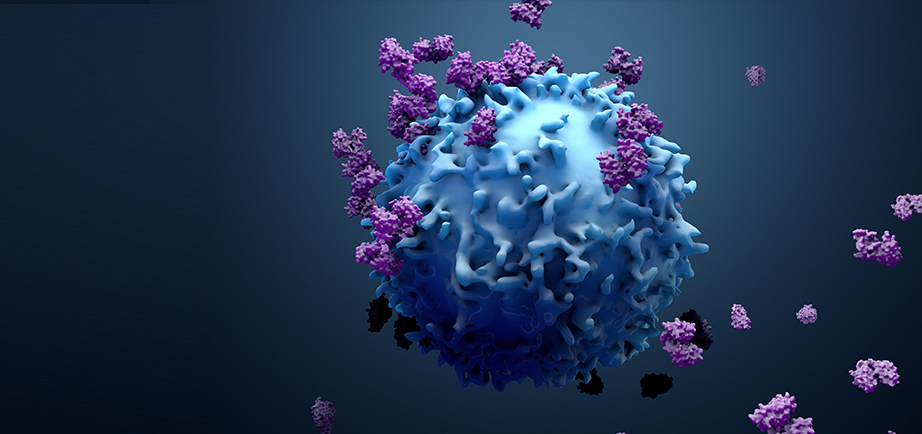
One of the most powerful aspects of an allogeneic (donor) transplant is the Graft-Versus-Leukemia effect. This occurs when the donor’s immune cells recognize any remaining leukemia cells as “foreign” and attack them. This biological surveillance offers a therapeutic advantage that chemotherapy alone cannot provide, acting as a living defense system against relapse.
navigating the Complexities
Every leukemia case requires a tailored approach. The intensity of the conditioning, the source of the stem cells (bone marrow vs. peripheral blood), and the management of potential side effects like Graft-Versus-Host Disease (GvHD) vary from patient to patient. For a more granular look at the specific medical protocols, types of conditioning, and the technical aspects of the transplant process, you can consult the Stem Cell leukemia Treatment and Procedures page. This resource provides an in-depth explanation of the clinical pathways used to ensure the best possible outcomes.
A Holistic Approach to Healing
The completion of a stem cell transplant marks the beginning of a new chapter. As the body works to integrate the new cells and restore its strength, the focus shifts to long-term recovery. This includes managing physical rehabilitation, nutritional support, and emotional health. Healing is not just about blood counts; it is about nurturing the whole person. For tips on wellness, mindfulness, and healthy living practices that can support your journey back to vitality, we invite you to visit live and feel.